
Bonus depreciation is one of the most powerful tax strategies available to real estate investors, especially when paired with a professional cost segregation study. By identifying and reclassifying qualifying building components, a cost segregation analysis allows you to accelerate depreciation and maximize the portion eligible for bonus depreciation in the year the property is placed in service.
This immediate deduction can significantly improve cash flow, reduce current tax liability, and strengthen overall returns. In this guide, we’ll explain how bonus depreciation works in 2026 and how SegTax cost segregation services help you capture the full benefit under today’s tax rules.
What Is Bonus Depreciation?
Bonus depreciation allows taxpayers to immediately deduct a significant percentage of the purchase price of qualifying business property instead of spreading the deduction over several years.
Unlike standard depreciation, which is taken gradually over an asset’s useful life, bonus depreciation front-loads the benefit into the first year. The result is immediate tax savings and improved cash flow.
Who Can Benefit from Bonus Depreciation?
In 2026, bonus depreciation can be applied to several types of real estate investments, making it a valuable strategy across different property categories.
Residential Rental Properties: Apartment buildings, duplexes, and single-family rentals held for income may benefit from a cost segregation study. For investors asking, does bonus depreciation apply to rental property, the answer often depends on how the property’s components are classified. Qualifying elements, such as flooring, lighting, appliances, and certain electrical systems, can be reclassified to shorter depreciation lives, accelerating deductions and potentially increasing first-year bonus depreciation, subject to current tax law.
Commercial Properties: Office buildings, retail centers, warehouses, and industrial facilities can benefit from cost segregation. These assets often include substantial personal property and land improvements eligible for shorter depreciation lives, enabling accelerated deductions and increased upfront tax savings, subject to current bonus depreciation rules.
Mixed-Use Properties: Properties combining residential and commercial space, such as ground-floor retail with upper-level apartments, may also qualify. Each portion can be analyzed to identify components eligible for accelerated depreciation, maximizing tax savings across the entire asset.
What Property Components Are Eligible?
Not every part of a property qualifies for bonus depreciation. However, several key components can be reclassified to accelerate deductions and maximize first-year tax savings:
Tangible Personal Property: According to IRS guidelines (Publication 946), assets with a recovery period of 20 years or less may qualify for accelerated depreciation and bonus depreciation when properly classified. In real estate, this may include items like cabinetry, carpeting, and removable finishes that can be separated from the building structure through a cost segregation study.
Qualified Improvement Property (QIP): This refers to non-structural interior improvements or renovations made to non-residential and short-term rental properties after they’ve already been placed in service. Examples include upgraded lighting, interior partitions, and renovated ceilings. QIP is particularly valuable because it often qualifies for accelerated depreciation and bonus depreciation when properly classified.
Land Improvements: These are external improvements made to the property, such as parking lots, walkways, landscaping, fencing, and outdoor lighting. Since these assets typically have shorter recovery periods than the building itself, they can be depreciated more quickly.
How Do Tax Advisors Handle Bonus Depreciation For Real Estate Investments?
Tax advisors use bonus depreciation as a powerful strategy to accelerate deductions and improve cash flow for real estate investors. Here’s how they typically approach it:
Identifying Qualified Property: Bonus depreciation allows investors to deduct a significant portion of qualifying property costs in the year the asset is placed in service. Eligible assets generally include certain land improvements (such as parking lots and sidewalks), qualified improvement property (QIP) like interior upgrades, and certain furniture and equipment. While the building itself typically does not qualify, specific components within it can often be reclassified through cost segregation to become eligible for accelerated depreciation.
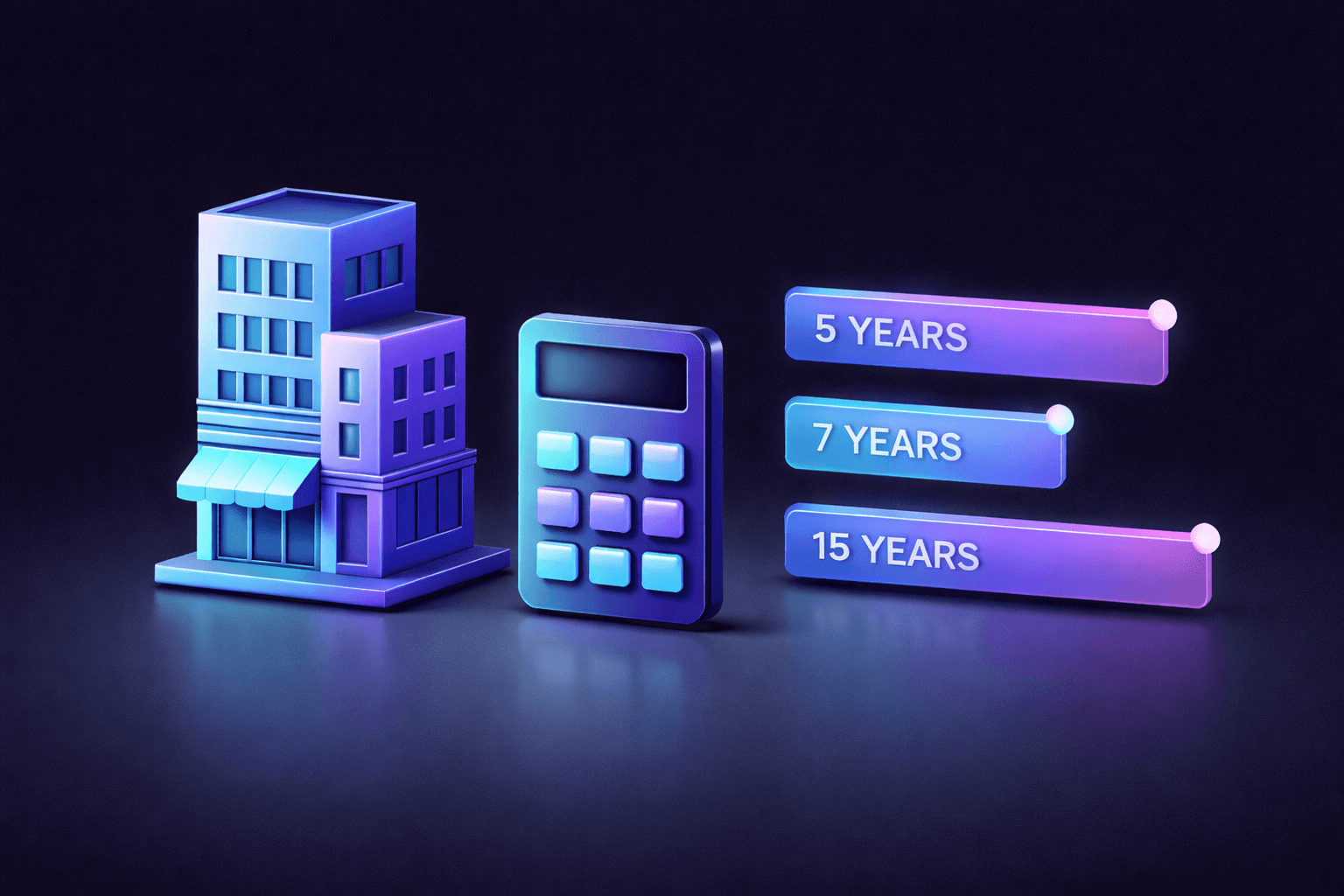
Using Cost Segregation Studies: Advisors often recommend a cost segregation study to break down a property into its individual components. This process reclassifies parts of the building into shorter depreciation categories (5, 7, or 15 years), making them eligible for bonus depreciation.
Navigating IRS Guidance and Compliance: Tax advisors rely on IRS guidance, including Publication 946 and Form 4562 instructions, to determine eligibility for bonus depreciation. These guidelines outline which assets qualify, including certain used property, and establish key timing rules. By following these standards, advisors help ensure compliance while maximizing available deductions.
Combining with Section 179 Deductions: Bonus depreciation is often used alongside Section 179 expensing. Section 179 is applied first to eligible assets up to its limits, and once those limits are reached, bonus depreciation can be used for additional deductions. This layered approach helps maximize upfront tax benefits.
Immediate Tax Deductions to Boost Cash Flow
One of the key benefits of bonus depreciation is the ability to deduct a significant portion of eligible asset costs in the first year they are placed in service. Under current regulations, qualifying property acquired after January 19, 2025, may be eligible for 100% bonus depreciation, allowing investors to fully expense certain assets in the year they are placed in service in accordance with IRS guidelines. This upfront deduction can significantly reduce taxable income, resulting in immediate tax savings and improved cash flow.
For real estate investors, this means more capital available to reinvest into new acquisitions, renovations, or other value-adding opportunities. helps identify and reclassify qualifying assets, ensuring you maximize bonus depreciation while staying fully compliant with IRS rules.
Practical Tips for Compliance and Maximizing Benefits
Keep Detailed Records
Accurate recordkeeping is critical for staying compliant with IRS regulations and maximizing your depreciation deductions. Maintain organized documentation for property purchases, improvements, invoices, and supporting reports, especially cost segregation studies.
Using accounting tools or software designed for real estate investors can help you track expenses efficiently and ensure nothing is overlooked.
Avoid Common Pitfalls
Errors in applying bonus depreciation can lead to missed savings or costly compliance issues. Common mistakes include skipping a cost segregation study, misclassifying property components, or failing to properly document improvements.
To minimize risk, work with qualified professionals who understand the nuances of real estate tax law and can correctly identify assets eligible for accelerated depreciation.
Consult with Tax Professionals
Tax law surrounding bonus depreciation and cost segregation can be complex and subject to change. Consulting with a real estate-focused CPA or tax advisor is strongly recommended. A knowledgeable professional can provide strategic guidance, ensure compliance with current regulations, and help you capture every deduction available to optimize your tax position.
Make the Most of Bonus Depreciation in 2026
Bonus depreciation continues to be a powerful strategy for real estate investors in 2026, offering meaningful tax savings and stronger returns. By understanding current rules, timing your acquisitions and improvements strategically, and working with experienced professionals, you can maximize its benefits and position your investments for long-term success.
If you’re ready to unlock the full value of bonus depreciation, contact SegTax today to schedule a cost segregation analysis and see how much you could potentially save.